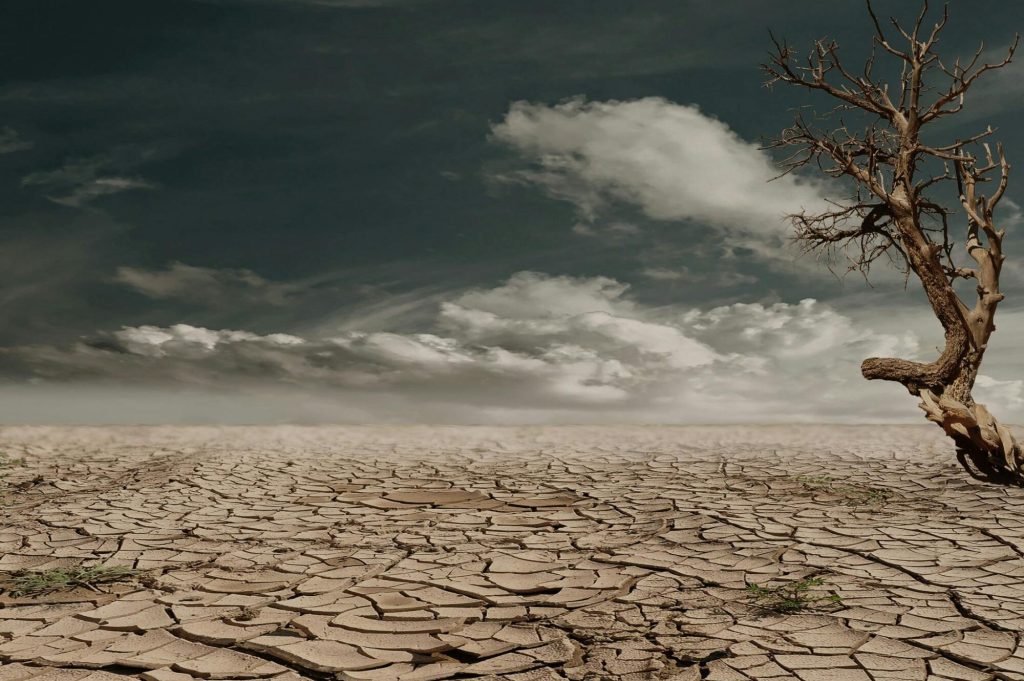
Today, the availability of water is sharply decreasing, with the prospect of significant future problems such as drought, driven by global warming and increased consumption. Currently, around 4 billion people live under severe water scarcity for at least thirty days a year. Each year, 8 million people die globally due to drought, diseases caused by a lack of sanitation, and insufficient access to safe drinking water. Despite these enormous challenges, we waste 104,000 litres of water per second. It’s time to pause and reflect.
The Global Water Scarcity Crisis
Water scarcity is one of the most pressing issues facing our planet. The combination of climate change and population growth has led to a situation where water resources are decreasing at an alarming rate. This scarcity is not just a matter of inconvenience but a life-threatening problem for billions of people worldwide.
In many parts of the world, people have to travel long distances to access clean water, which impacts their health, education, and economic opportunities. Women and children are often the most affected, as they are usually responsible for water collection in many cultures. This time-consuming task keeps children out of school and women from engaging in other productive activities.
Human Impact
The human cost of water scarcity is remarkable. Each year, millions of people die due to water-related issues. Drought leads to crop failures, food shortages, and, consequently, malnutrition and starvation. Additionally, the lack of clean water and sanitation facilities causes the spread of diseases such as cholera, dysentery, and typhoid fever. These diseases are preventable with adequate water and sanitation, yet they continue to claim millions of lives annually.
The Paradox of Water Waste
In stark contrast to the severe water shortages, we continue to waste an astonishing 104,000 litres of water per second globally. This waste occurs in numerous ways, from leaky pipes and inefficient irrigation systems to personal habits like leaving the tap running while brushing teeth. This paradox of water scarcity amidst abundant waste underscores the urgent need for better water management and conservation practices.
What can we do?
Addressing the water crisis requires a multifaceted approach. Here are some critical steps we can take:
- Improve Water Infrastructure: Investing in efficient water distribution and storage systems can reduce waste and ensure more people have access to clean water.
- Promote Water Conservation: Raising awareness about water conservation practices, such as fixing leaks and using water-saving appliances, can make a significant difference.
- Implement Sustainable Agriculture: Adopting agricultural practices that use water more efficiently can help preserve this precious resource.
- Enhance Global Cooperation: Water scarcity is a global issue that requires international collaboration. Countries must work together to share knowledge, technology, and resources.
- Protect Natural Water Sources: Preserving wetlands, forests, and watersheds is crucial for maintaining the natural water cycle and preventing further degradation.
By recognizing the severity of the problem and taking decisive action, we can ensure a future where everyone has access to the water they need to survive and thrive. It’s time to stop wasting water and start treating it as the precious resource it is. Our survival depends on it.