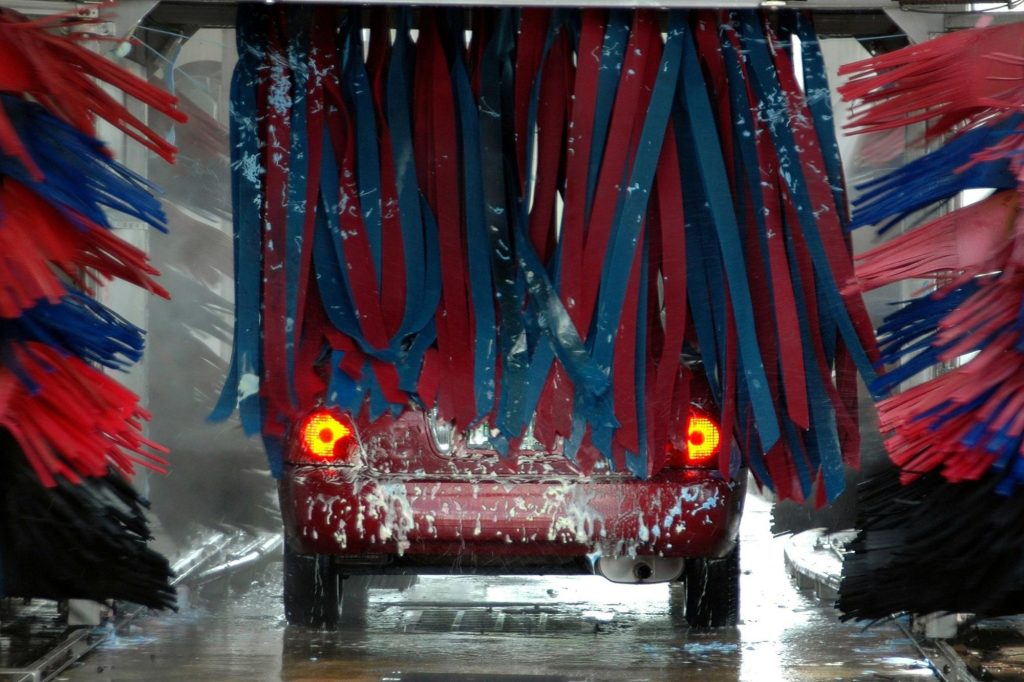
Car washes are an integral part of modern life, providing convenience and maintaining the appearance of vehicles. However, the environmental impact of car washes often goes unnoticed. The water used during the process, often filled with detergents, oils, grime, and other pollutants, can harm ecosystems if not managed properly. This is where car wash water treatment systems come into play.
Why Treat Car Wash Water?
A typical car wash can use between 50 to 100 gallons of water per vehicle. Without proper treatment, the wastewater generated can carry pollutants directly into storm drains, rivers, and groundwater. The contaminants in this water, including detergents and chemicals harmful to aquatic life, oils and grease that reduce oxygen levels, and heavy metals like brake dust and rust that pose long-term risks, must be managed effectively.
Proper treatment ensures that these pollutants are removed or neutralized, protecting both the environment and public health.
Benefits of Using Water Treatment Systems
Investing in a car wash water treatment system provides numerous benefits:
- Environmental Protection: Reduces the discharge of pollutants into natural water bodies.
- Cost Savings: Recycling water lowers operational costs by reducing freshwater consumption.
- Regulatory Conformity: Many regions have strict environmental regulations regarding wastewater. Treatment systems ensure compliance and avoid penalties.
- Sustainability: Using treated water promotes eco-friendly practices and contributes to reducing the environmental impact of car wash operations.
- Attracting Sustainability-Conscious Customers: Additionally, it helps draw in customers since the majority of people today opt for sustainable solutions.
Choosing the Right System
Selecting the appropriate water treatment system depends on several factors, including the size of the car wash, volume of water used, and local regulations. Business owners should consider:
- Capacity: Ensure the system can handle peak loads.
- Efficiency: Look for systems with high water recovery rates.
- Maintenance Requirements: Choose systems that are easy to maintain and operate.
- Regulatory Standards: Confirm that the system complies with local wastewater discharge standards.
Conclusion
Car wash water treatment systems are not just an environmental necessity; they are a smart investment for businesses. By adopting these systems, car wash operators can reduce their ecological footprint, save money, and attract customers who value sustainability. As awareness grows, the demand for greener car wash practices is likely to increase, making water treatment systems an essential part of modern car washing operations.