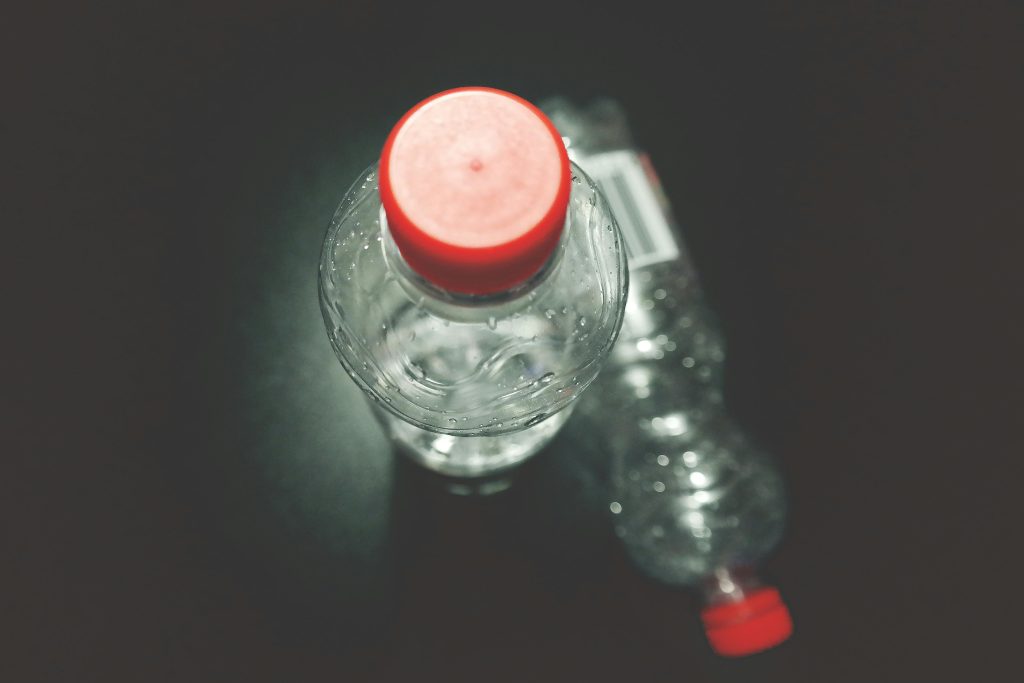
When we think about plastic, the first things that typically come to mind are pollution, littered beaches, and perhaps the floating islands of waste in our oceans. Rarely do we associate plastic with water, a resource we often consider separately from the materials we use daily. However, there’s a significant, often overlooked, connection between water and plastic—particularly when it comes to the production of plastic bottles.
The Water Footprint of a Plastic Bottle
Consider this startling fact: it takes approximately six times the amount of water to produce a plastic bottle than the amount of water the bottle actually contains. This statistic is a stark reminder of the hidden environmental costs associated with our modern utilities. While a typical 500 ml plastic bottle of water seems like a small and irrelevant item, the reality is that its production consumes around 3 litres of water, from sourcing raw materials to the final product.
The Process
The process of manufacturing a plastic bottle involves several stages, each requiring water. First, there’s the extraction and processing of crude oil to produce polyethylene terephthalate (PET), the type of plastic commonly used in bottles. This initial stage is water-intensive, as both the extraction and refining processes consume large amounts of water. Then, during the actual production of the bottle, additional water is used in cooling and shaping the plastic. Finally, there’s the indirect water usage, including the water consumed in the energy production required to power the entire manufacturing process.
Environmental and Ethical Implications
This significant water usage is troubling for several reasons. Firstly, it aggravates the global water crisis. In a world where over 2 billion people live in countries experiencing high water stress, the use of precious water resources to produce non-reusable plastic bottles seems particularly wasteful.
Moreover, the majority of these plastic bottles end up in landfills or, worse, in our oceans. This not only generates pollution that damages wildlife and ecosystems, but the production of these bottles also contributes to greenhouse gas emissions, further intensifying climate change—a process that itself disrupts water cycles and worsens water scarcity.
Reconsider Our Choices
As consumers, it’s essential to recognize the broader impact of our choices. The ease of picking up a plastic bottle of water comes at a far greater environmental cost than what is immediately visible. This realization should prompt us to reconsider our consumption habits, especially in a world where sustainable alternatives exist.
Switching to reusable water bottles, encouraging better recycling practices, and supporting policies that reduce plastic production are steps in the right direction. By being mindful of the hidden water costs in everyday items, we can contribute to a more sustainable future.
Conclusion
The connection between water and plastic may not be immediately obvious, but it’s a crucial aspect of the environmental impact of our consumption habits. The fact that producing a single plastic bottle requires six times the amount of water it can hold is an alarming statistic, one that should make us pause and reflect on how we use and value our resources. As we move towards a more sustainable future, it’s important to consider not just the waste we see, but the resources we consume in the process. Every plastic bottle represents not just a waste issue but also a water issue—one that we can no longer afford to ignore.