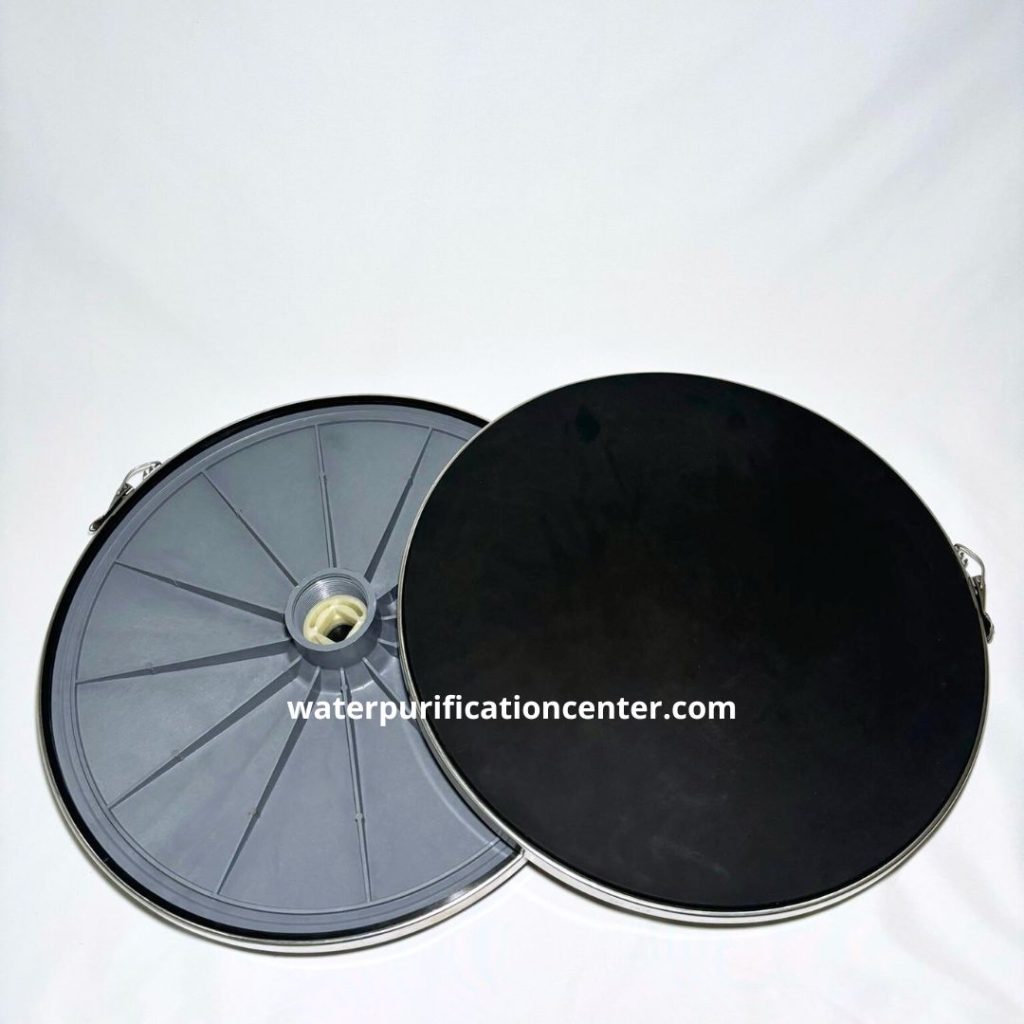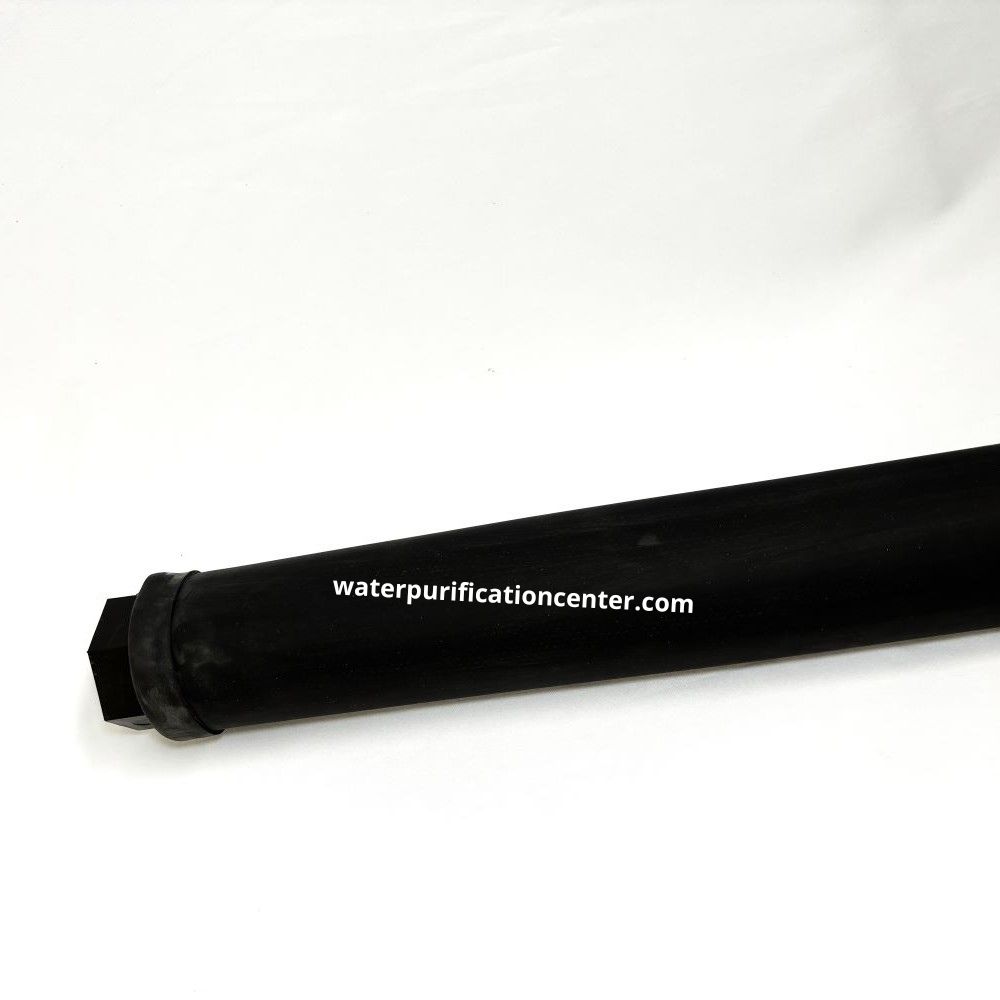
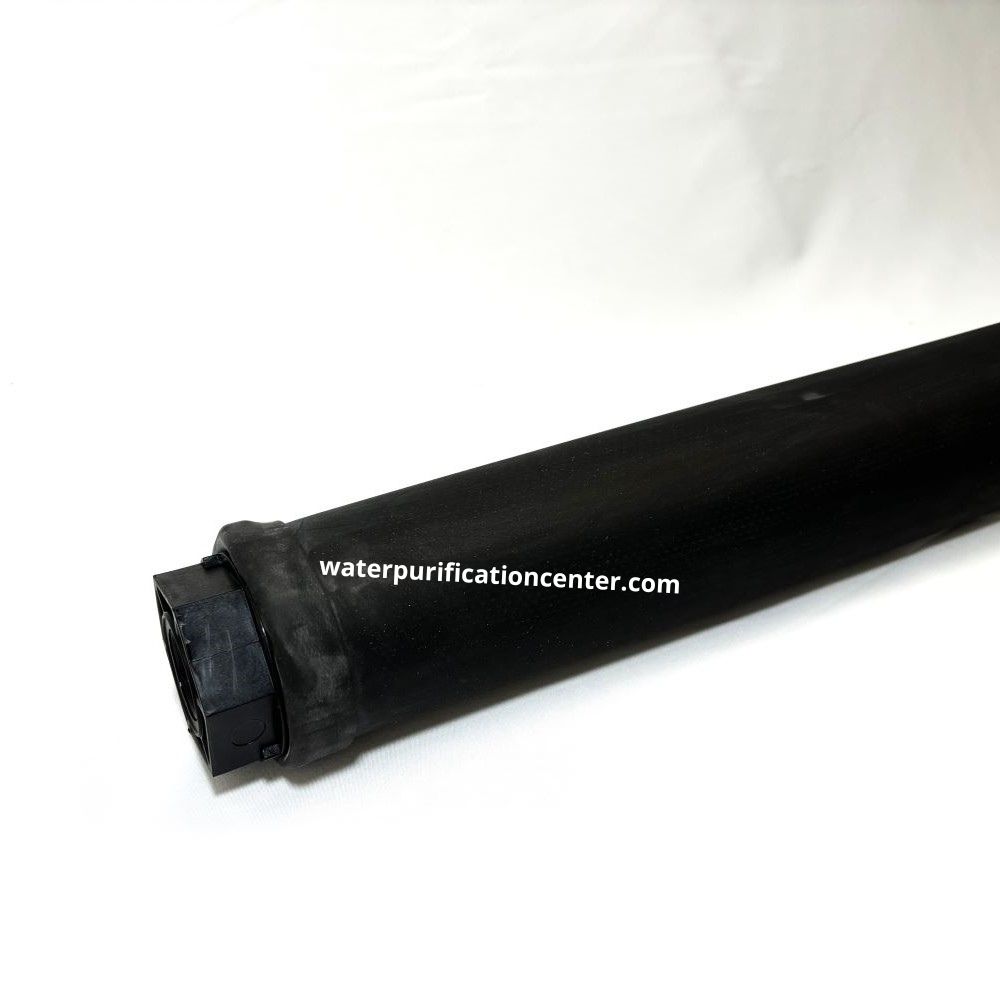
They are typically tubular and they have emerged as particularly effective solutions for medium to large-scale applications.
These diffusers feature a micro-perforated membrane made from high-quality rubberized material, ensuring both durability and performance. The fine bubble aeration technique they employ improves the oxygen transfer efficiency, crucial for microbial activities that break down pollutants in the wastewater.
The structure of these diffusers typically includes a rigid support made from polypropylene, which not only provides stability but also resists the harsh chemical environment typically found in wastewater treatment settings. In this way the diffusers can withstand continuous operation even under challenging conditions.
The primary advantage of tubular diffusers in wastewater treatment lies in their ability to provide an optimal distribution of air across a wide surface area. This capability makes them especially suitable for large tanks where extensive coverage is necessary. This is important for preventing dead zones where untreated water could stagnate, potentially leading to inefficient treatment and higher operational costs.
Moreover, these diffusers are designed to operate effectively under both continuous and intermittent aeration strategies. This operational versatility is essential for facilities that need to adjust their treatment processes based on fluctuating wastewater volumes or compositions, such as those experiencing seasonal variations in waste load.
The resilience of the elastomeric membrane ensures long-term reliability and reduces the need for frequent replacements, thereby minimizing maintenance costs and environmental waste.
Available sizes:
-70×500 mm
-70×750 mm
-70×1000 mm