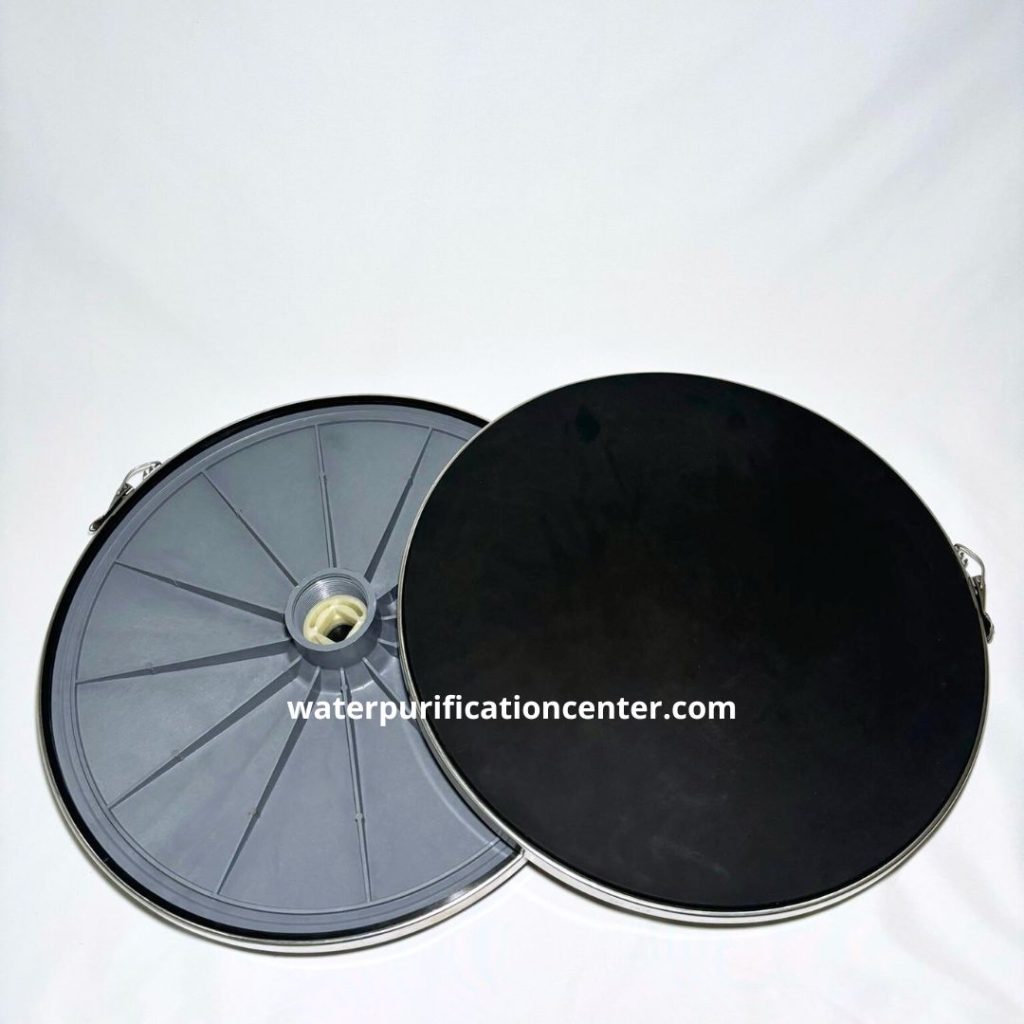
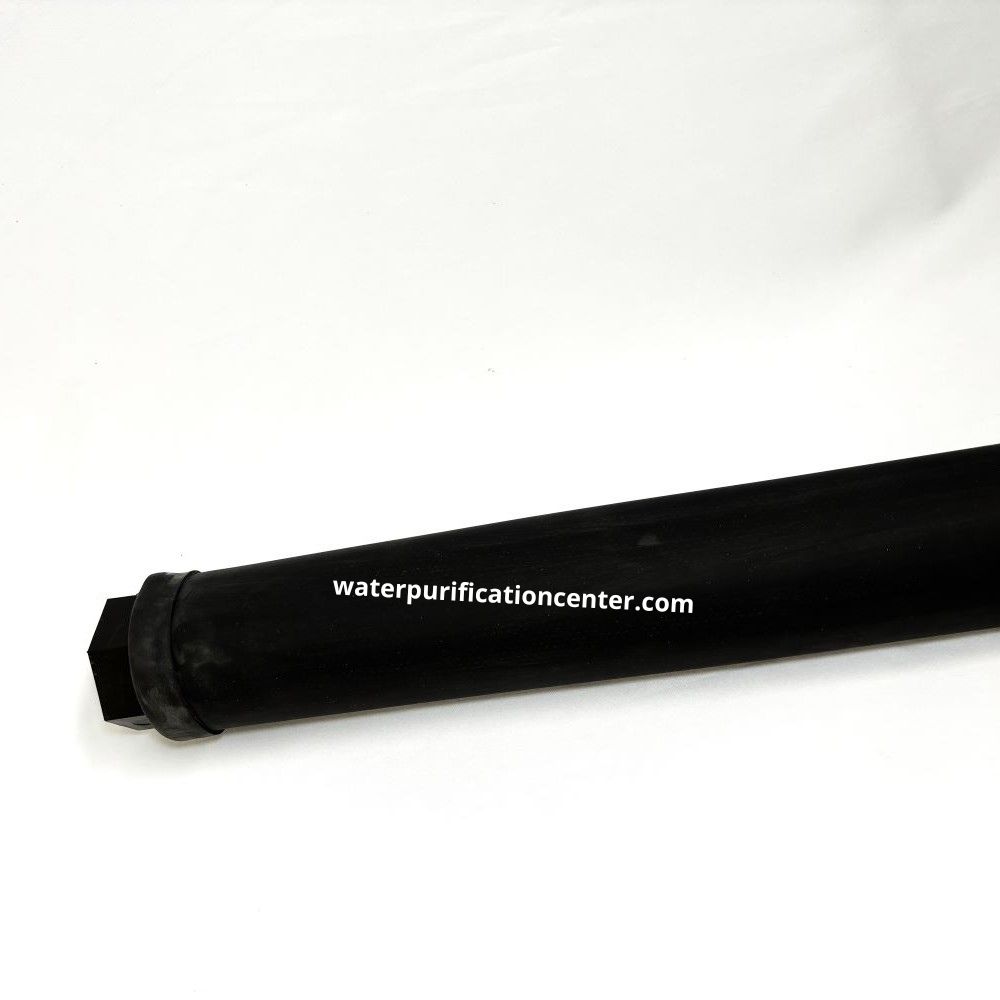
Fiberglass diffusers are critical in the aeration process of active sludge systems. Typically, these are available in three sizes to accommodate different tank volumes and treatment capacities. The dimension selection is based on specific system requirements which usually include factors like the volume of wastewater to be treated and the physical space available.
Ensuring that the diffuser’s size matches the system’s needs is crucial for maximizing efficiency and minimizing energy consumption.
High-quality porous materials are preferred for their durability and ability to produce fine, regular bubbles. Fine bubble aeration is a highly efficient method, as smaller bubbles increase the surface area contact between the air and the water, thereby enhancing the oxygen transfer rate. This is vital for the microbial processes that break down the organic pollutants in the wastewater.
The integration of aeration components within a small wastewater treatment system must be seamless and reliable. This is achieved through the use of flexible tubing and appropriate fittings, which connect the plate diffusers to the air supply.
The flexibility of these tubes allows for easy installation and adjustment, as well as providing a certain level of resistance to system vibrations and expansions. Quality connectors prevent air loss, maintaining system pressure and efficiency.
They also facilitate easy maintenance and replacement of parts, which is particularly important in communal and residential settings where minimizing downtime is crucial.