
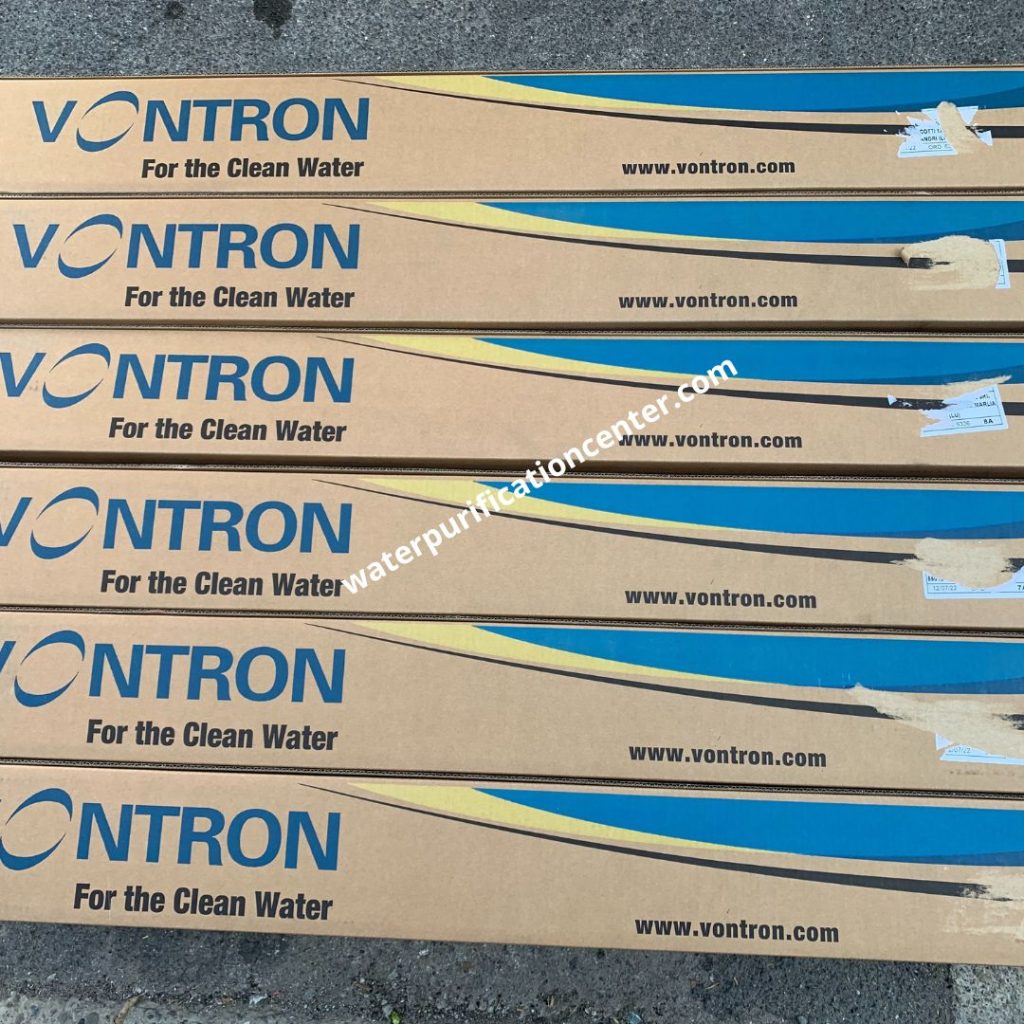

Reverse osmosis (RO) is a water purification process that uses a semi-permeable membrane to filter out contaminants, including salts, bacteria, viruses, and various pollutants, by applying pressure to force water molecules through the membrane. The process is widely used in household water filtration systems to improve water quality by removing unwanted substances like nitrates, heavy metals, and other impurities. RO systems typically include pre-filters, the RO membrane, and post-filters to ensure comprehensive filtration. After purification, remineralization can be added to restore essential minerals removed during the process.
Reverse osmosis is commonly used in a variety of settings, including desalination, where it converts seawater into freshwater, making it a crucial technology for regions facing water scarcity. In households, RO systems are popular for providing clean drinking water by removing harmful contaminants such as heavy metals, chemicals, and microorganisms. Industrially, it serves various roles, from providing pure water for manufacturing processes to treating wastewater before discharge.
The effectiveness of reverse osmosis in purifying water has made it a preferred choice for ensuring safe, clean water in numerous applications. It not only enhances water quality but also protects against pollutants that conventional filtration methods might not effectively remove.