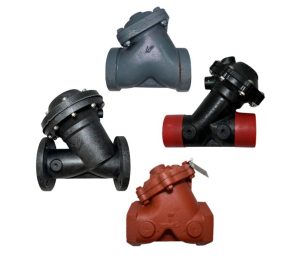


Hydropneumatic valves are specialized valves used in various fluid control systems, particularly where both air and water dynamics need to be managed simultaneously. These valves play a crucial role in balancing the pressures between air and liquid within a system, ensuring optimal operation and preventing issues such as water hammer, which can cause significant damage to piping and equipment.
The primary function of hydropneumatic valves is to control the pressure in systems that use a combination of air and water through a pressurized air cushion. This is especially important in systems where rapid changes in water velocity occur, as the air cushion within the valve helps to absorb any shock that may result. Here’s how they generally work:
- Pressure Regulation: These valves help to maintain a constant pressure in the system by adjusting the volume of the air cushion based on the water pressure.
- Flow Control: They control the rate at which water flows through the system, ensuring that it operates within safe and efficient parameters.
- Safety and Protection: By absorbing shocks and managing surges, these valves protect the system from pressure-related damage.
Materials and Design
Hydropneumatic valves are designed with robust, corrosion-resistant materials to withstand the pressures and environmental conditions they are exposed to. These include stainless steel, brass, cast iron, Noryl, and PVC, offering durability and compatibility with a wide range of applications and media. Their versatile material options make them suitable for systems where specific environmental or fluid-handling conditions must be met.
Many hydropneumatic valves allow for manual or automatic adjustment of air and water pressure settings according to system demands. Additionally, these valves often integrate functions like flow control, non-return, and pressure relief within a single unit, reducing the need for multiple separate components.
Sustainability and Efficiency
Hydropneumatic valves contribute to environmental sustainability by improving the efficiency of water use and reducing the likelihood of leaks and bursts in piping systems. This leads to less water wastage and a lower environmental footprint for systems that use these valves. Their robust and multifunctional capabilities make them essential for the management of dynamic pressure and flow conditions in air and water systems.
Applications
- Activated carbon filters
- Quartzite filters
- Iron removal filters
- Water softeners and treatment
- Drinking water plants
- Process plants
- Industrial plants
- Agricultural irrigation
- Cooling systems
- Car wash systems