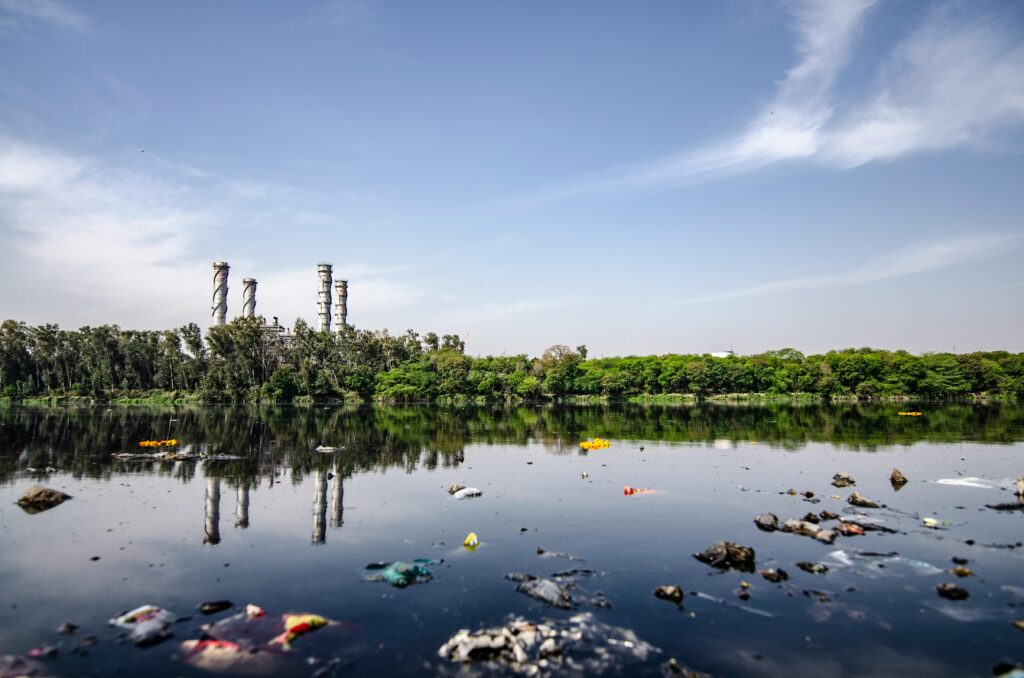
At our organization, we place a high priority on staying informed about environmental issues, which is why our staff frequently attends conferences on pollution. These events allow us to continually expand our knowledge and understanding of the complex factors affecting our environment. Recently, we attended a particularly impactful conference that focused on PFAS (per- and polyfluoroalkyl substances) pollution. The insights we gained from this conference were both enlightening and alarming, highlighting a critical issue that demands urgent attention.
PFAS are a group of toxic chemicals that have been in use for years and are still commonly produced today. They are found in a wide range of everyday products due to their unique properties, such as resistance to heat, water, and oil. This includes items like non-stick cookware, waterproof jackets, stain-resistant fabrics, and even pizza boxes. The widespread use of these chemicals has led to their pervasive presence in the environment, raising significant concerns about their long-term effects on human health and ecosystems.
One of the most concerning aspects of PFAS is their environmental persistence. Unlike many other pollutants, PFAS do not break down easily in the natural environment. They are resistant to degradation processes, meaning they can remain in soil and water for an exceptionally long time. This persistence allows them to accumulate and spread, contaminating various elements of our ecosystem. Once PFAS enter the environment, often through water contamination, they can infiltrate the food chain. This process involves the uptake of these substances by soil, vegetation, and crops, which are then consumed by animals and humans, leading to widespread exposure.
The Environmental and Health Impacts of PFAS:
The environmental persistence of PFAS has direct implications for human health. Exposure to these substances can occur through the consumption of contaminated food or the inhalation of dust particles containing PFAS. The health risks associated with PFAS exposure are significant and varied. Research has linked these chemicals to numerous adverse health effects, including infertility, certain types of cancer, liver damage, thyroid disease, and compromised immune function. The widespread nature of PFAS contamination means that these health risks are a global concern, affecting populations far beyond the initial sites of pollution.
PFAS Worldwide Diffusion:
While PFAS pollution is a global issue, its impacts can be seen locally. In Italy, several regions, including Tuscany, have reported high levels of PFAS contamination. Historical data shows that since the 1950s, the use and subsequent environmental spread of these chemicals have led to their presence in various ecosystems worldwide. This highlights the importance of local actions and policies in mitigating a problem with such far-reaching consequences.
Moving Forward Together:
Addressing PFAS pollution is essential for both environmental protection and human health. We call upon our community to prioritize tackling PFAS contamination and to collaborate on developing effective solutions. Through informed and united action, we can reduce the impact of these hazardous substances and work towards a healthier future for everyone.
Stay tuned for further updates and insights as we continue to seek solutions and share knowledge on this critical issue. Together, we can make a meaningful difference.