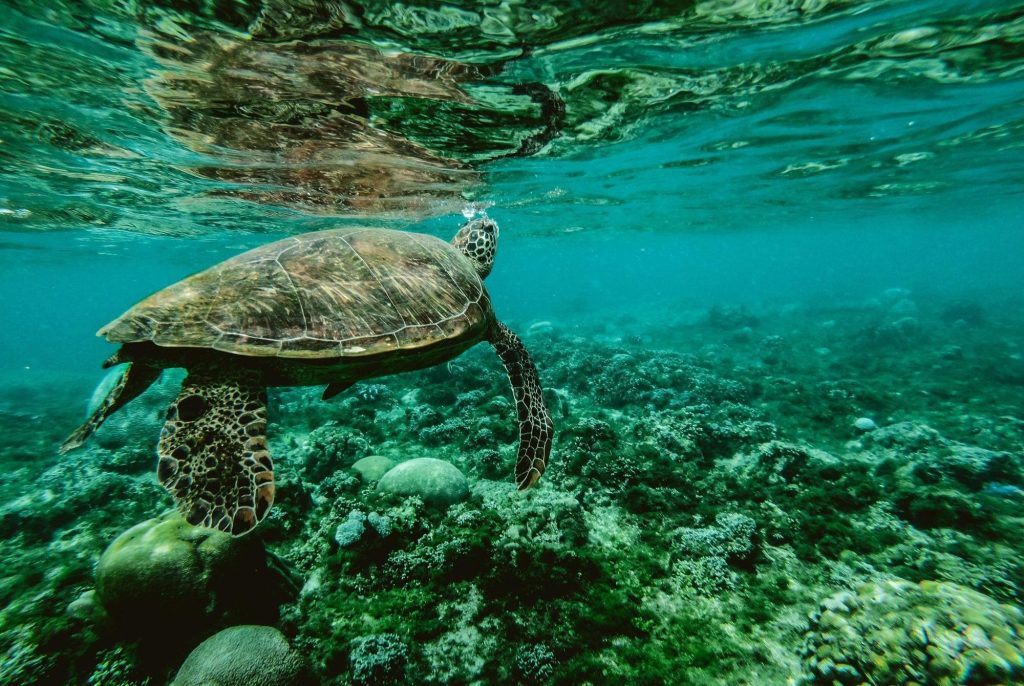
As we celebrate World Oceans Day on June 8th, it’s crucial to recognize the profound significance of our planet’s oceans and the urgent need for collective action to protect them. These vast bodies of water not only sustain countless forms of life but also play a vital role in regulating the Earth’s climate and providing essential resources for human well-being. However, despite their immense importance, our oceans are facing unprecedented threats, with plastic pollution emerging as one of the most pressing challenges of our time.
Plastic pollution, an insidious menace, has escalated to alarming proportions, casting a dark shadow over marine ecosystems and the myriads of life forms that inhabit the vast oceans. The ramifications are dire, with marine habitats wavering on the brink of irreparable damage. The persistent influx of plastic waste, ranging from discarded bottles to microplastics, has transformed once untouched marine environments into veritable dumping grounds, where marine creatures struggle to survive amidst the suffocating embrace of synthetic materials. This inundation of plastic debris not only poses immediate physical hazards to marine life through entanglement and ingestion but also leaches toxic chemicals into the surrounding waters, further exacerbating the plight of already vulnerable species.
Startling prognostications paint a bleak picture: should the current trajectory persist unabated, the year 2050 may witness a chilling scenario where the oceans play host to more plastic than living fish. This impending crisis looms large, necessitating urgent action to avert catastrophe.
The exponential surge in plastic production over recent decades aggravates the crisis, with the quantum of plastic generated escalating twentyfold since 1964, cresting at an astonishing 314,000 tons in 2014. Projected estimates augur a doubling of these already alarming figures within the next two decades, and a quadrupling by 2050, presenting a foreboding outlook for marine biodiversity and ecological balance.
The imperative to intervene and confront this looming ecological disaster could not be more pressing. Immediate and concerted efforts are necessary to arrest the tide of plastic pollution and safeguard the fragile equilibrium of our oceans. What makes the situation even more concerning is the awfully low rate of plastic recycling. Only a mere 5% of plastic is correctly recycled, with the majority ending up in landfills or, even worse, polluting fragile marine environments. is that why we put so much effort into recycling and proper waste disposal?
The Mediterranean Sea, in particular, has become a hotspot for plastic pollution, ranking as the sixth-largest accumulation zone of plastic waste globally. Here, plastic debris, along with abandoned fishing nets and gear, known as “ghost gear,” pose deadly threats to marine animals such as turtles, cetaceans, and sharks. It is heartbreaking to see images of marine animals trapped in utensils that man has carelessly abandoned in the waters.
Moreover, pollution from oil shipping and offshore extraction activities further worsens the degradation of marine ecosystems, perpetuating a cycle of environmental destruction with far-reaching consequences.
Despite the harsh viewpoint, there is still hope. Every individual has the power to make a difference through small but meaningful actions in their daily lives. By reducing plastic consumption, properly disposing of waste, and supporting initiatives aimed at cleaning up our oceans, we can collectively work towards a more sustainable future for our planet.
Remember not to not waste water, use organic and natural detergents and sunscreens, do not throw plastic into the sea or on the beach and much more…
On this World Oceans Day, let us recommit ourselves to the cause of ocean conservation and pledge to take concrete steps towards preserving these invaluable ecosystems for future generations. Together, we can make a difference and ensure that our oceans remain vibrant, healthy, and teeming with life for centuries to come.