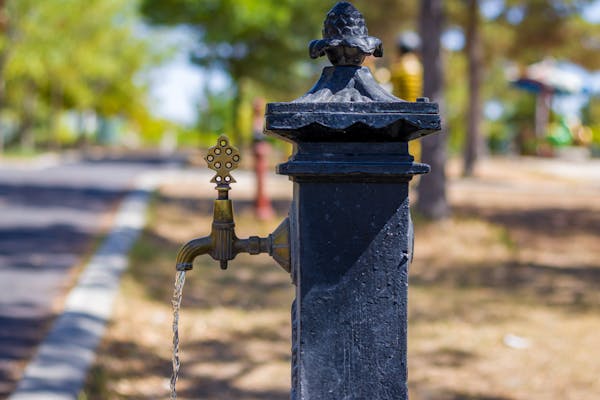
The green spaces in our cities represent an oasis of tranquillity, a place to escape the urban chaos, breathe fresh air, and reconnect with nature. But beyond their aesthetic and recreational value, these places can offer an essential service to the community: clean and protected water fountains. In this article, we will explore the numerous benefits that these fountains can offer, not only to regular park-goers but also to the entire community.
- Promotion of Health and Well-being
The presence of potable water fountains in parks and public spaces is an invitation to stay hydrated, especially during the summer months when temperatures rise, and the need for water increases. Drinking water is essential for physical health, helping to regulate body temperature, keep the skin hydrated, and aid digestion. Additionally, for those who engage in outdoor sports, such as running, cycling, or yoga, having access to safe and clean water sources is crucial to avoid dehydration and improve physical performance.
- Reduction of Single-Use Plastic
One of the greatest environmental challenges of our time is the excessive use of plastic, particularly single-use plastic bottles. Access to public fountains reduces the need to purchase bottled water, instead encouraging the use of reusable bottles. This not only decreases the amount of plastic that ends up in landfills or oceans but also reduces the environmental impact associated with the production and transportation of bottled water. Each installed fountain represents a small but significant step toward sustainability.
- Enhancement of Public Spaces
The presence of fountains can enrich the experience of public spaces, making them more welcoming and functional. A park equipped with well-placed fountains becomes a more attractive place for families, tourists, and athletes. Moreover, fountains can be designed to harmoniously integrate with the surrounding environment, becoming elements of urban decor. In some cities, artistic or historical fountains have become true symbols, adding cultural value to green spaces.
- Promotion of Environmental Awareness and Education
Public fountains can also serve as tools for environmental awareness, offering the opportunity to educate the community on the importance of sustainable water management. Informative panels next to the fountains could explain the water cycle, the value of reducing plastic use, and the benefits of consuming local and safe water. In this way, beyond providing an essential service, fountains help spread a culture that is more environmentally conscious, encouraging responsible and informed behaviours, especially for children and young people.
Conclusion
In conclusion, clean and protected water fountains represent a fundamental element in green spaces accessible to all. Not only do they promote health and well-being, reduce the use of single-use plastic, and ensure an inclusive and accessible service, but they also enhance the value of public spaces and contribute to environmental education. Investing in these infrastructures is a step forward towards more sustainable, welcoming cities that cater to the needs of all citizens.