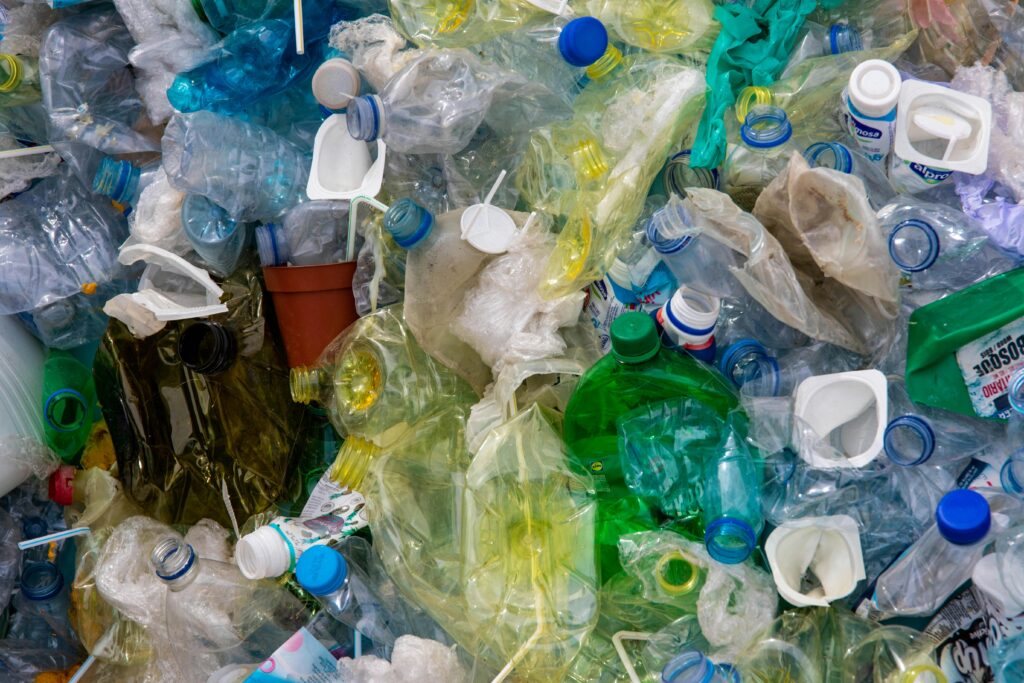
The month of July is almost finished, the month of Plastic Free July. It’s time to reflect on the impact of this global movement and the importance of continuing dedication to reducing plastic waste. Plastic Free July is more than just a month-long challenge; it’s a powerful call to action that inspires millions to rethink their plastic use and adopt more sustainable habits.
The Ideology of Plastic Free July
Plastic Free July began in 2011 as a small initiative in Australia and has since grown into a worldwide campaign engaging millions of people across the globe. The ethos of Plastic Free July is simple yet profound: to raise awareness about the negatives effects of plastic pollution and encourage people to reduce their non-reusable plastic consumption. The organization behind this initiative believes in the power of individual actions to create collective change. By choosing to refuse single-use plastics, participants contribute to a cleaner, healthier environment.
The Impact of Plastic Pollution
Plastic pollution is one of the most critical environmental issues of our time. Every year, millions of tons of plastic waste end up in our oceans, harming marine life and disrupting ecosystems. Single-serve plastic materials, such as bags, bottles, straws, and packaging, are particularly problematic as they are used briefly but persist in the environment for centuries. These plastics break down into microplastics, which are ingested by marine animals and can eventually enter the human food chain, posing significant health risks.
The Importance of Conscious Consumption
Plastic Free July want to address us to a more conscious and sustainable way of living. It encourages individuals to examine their consumption patterns and make more environmentally friendly choices. Here are some key reasons why paying attention to plastic use is crucial:
- Environmental Preservation: Reducing plastic waste helps protect natural habitats and wildlife. By opting for sustainable alternatives, we minimize the pollution that harms animals and ecosystems.
- Health Benefits: Avoiding plastics, especially those that come in contact with food, reduces exposure to harmful chemicals like BPA and phthalates, which are linked to various health issues.
- Economic Savings: Investing in reusable products may have an upfront cost, but it leads to long-term savings. For example, using a reusable water bottle can save money compared to constantly buying bottled water.
Taking Action Beyond July
While Plastic Free July is a great starting point, the goal is to integrate these sustainable practices into our daily lives year-round. Here are some actionable steps to keep the momentum going:
- Use Reusables: Switch to eco-friendly bags, bottles, and containers. Keep them handy to avoid single-use plastics while shopping or dining out.
- Choose Alternatives: Look for plastic-free alternatives for household items. For instance, opt for bamboo toothbrushes, cloth diapers, and bar soap instead of their plastic counterparts.
- Support Legislation: Advocate for policies that reduce plastic production and promote recycling. Support businesses that prioritize sustainable practices.
- Educate and Inspire: Share your journey with others. Educate friends and family about the importance of reducing plastic waste and inspire them to take action.
Plastic Free July may have come to an end, but the spirit of the movement lives on. By embracing the values of reducing plastic waste, we contribute to a more sustainable future for ourselves and generations to come. Every small action counts, let’s carry forward the lessons learned this month and continue to champion a plastic-free world.