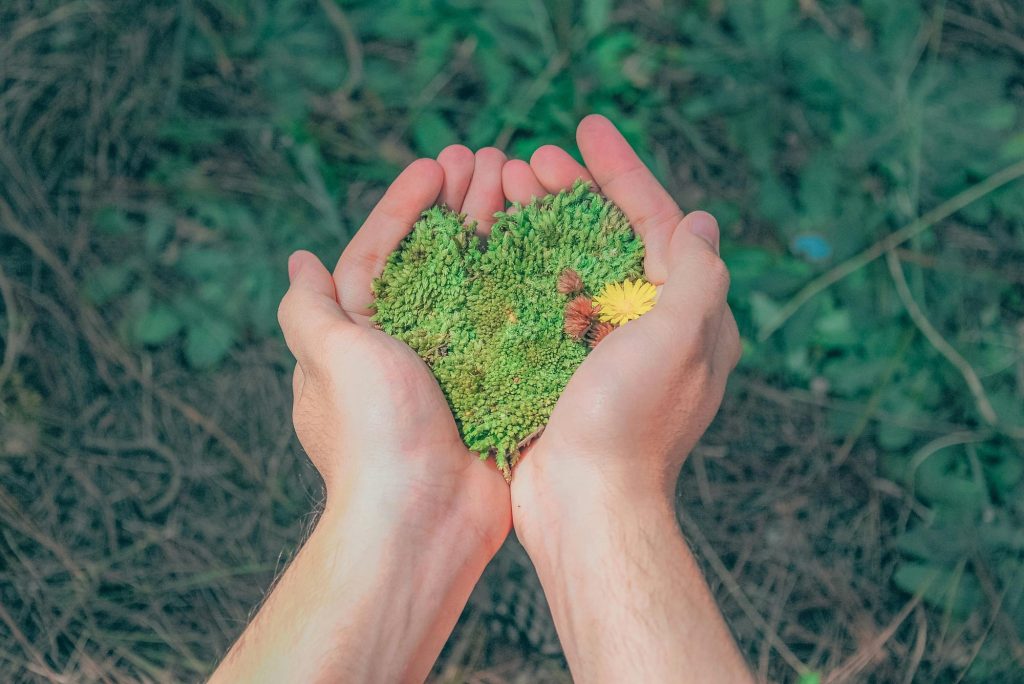
In today’s world, environmental consciousness is more important than ever. As we face challenges like climate change, pollution, and reducing natural resources, it’s crucial that we all take steps to reduce our impact on the planet. By making small, mindful changes in our everyday lives, we can contribute to a more sustainable future. Here are 10 essential rules you can follow to respect the environment and reduce your ecological footprint.
- Reduce Water Consumption
Water is a precious resource, and conserving it is one of the simplest yet most impactful ways to protect the environment. Start by being aware of how much water you use in your daily routines. For example, fix leaks, use water-efficient appliances, and turn off the tap while brushing your teeth or shaving. Additionally, investing in a water purification system can help reduce the need for bottled water, which decreases plastic waste and energy use in water production.
- Minimize Single-Use Plastics
Plastic pollution is a significant environmental problem, particularly in our oceans and watercourses. One of the easiest ways to reduce your plastic consumption is by avoiding single-use plastics like straws, plastic bags, and disposable cutlery. Opt for reusable alternatives like metal straws, cloth bags, and refillable water bottles. This not only reduces waste but also limits the demand for plastic production.
- Choose Eco-Friendly Products
When shopping, look for products that are made from sustainable, natural, or recycled materials. Avoid items with excessive packaging, and choose eco-friendly brands that prioritize environmental sustainability. Many companies now offer biodegradable, cruelty-free, and energy-efficient products that help reduce your impact on the planet.
- Support Renewable Energy
Fossil fuels are one of the main contributors to greenhouse gas emissions and global warming. By supporting renewable energy sources like solar, wind, and hydropower, you can help reduce reliance on non-renewable energy. Consider installing solar panels at home, or switch to a renewable energy provider to power your home with cleaner energy.
- Reduce, Reuse, Recycle
This classic mantra still holds true. Reduce your consumption of goods, reuse items when possible, and recycle materials like paper, glass, and aluminum. Recycling helps reduce the need for primary materials and decreases the energy used in manufacturing new products.
- Opt for Sustainable Transportation
Transportation is a major source of carbon emissions. To reduce your carbon footprint, try walking, cycling, or using public transport whenever possible. If you need a car, consider carpooling or using a hybrid or electric vehicle. Reducing car use not only helps lower emissions but also decreases air pollution in your local area.
- Eat a Sustainable Diet
Your food choices have a significant impact on the environment. Try to eat locally produced, seasonal foods, and choose organic options whenever possible. Growing your own fruits and vegetables is another great way to reduce environmental impact and enjoy fresh, pesticide-free produce.
- Save Energy at Home
Energy conservation is key to reducing your environmental impact. Simple actions, like turning off lights when not in use, unplugging electronics, and using energy-efficient appliances, can make a big difference. Consider upgrading to LED bulbs and installing a smart thermostat to optimize heating and cooling. By using less energy, you not only help the environment but also save money on utility bills.
- Be Conscious of Your Waste
The amount of waste we produce has a significant impact on the environment. To reduce waste, try to buy only what you need and look for products with minimal packaging. Composting organic garbage, like food scraps and garden waste, is another way to minimize waste while enriching your garden soil. Aim to dispose of dangerous materials, like batteries and electronics, at designated recycling facilities to prevent harmful chemicals from polluting the environment.
- Educate and Inspire Others
One of the most powerful ways to respect the environment is by spreading awareness and inspiring others to take action. Share your sustainable practices with friends, family, and your community. Encourage others to adopt eco-friendly habits, support local environmental initiatives, and participate in clean-up efforts.
Conclusion
From conserving water and reducing plastic waste to supporting renewable energy and recycling, these 10 rules can help guide you toward a greener lifestyle. At Water Purification Center, we believe that clean water is a crucial part of a sustainable future. Our water purification systems are designed to help reduce plastic waste without harming the environment and improve sustainability.