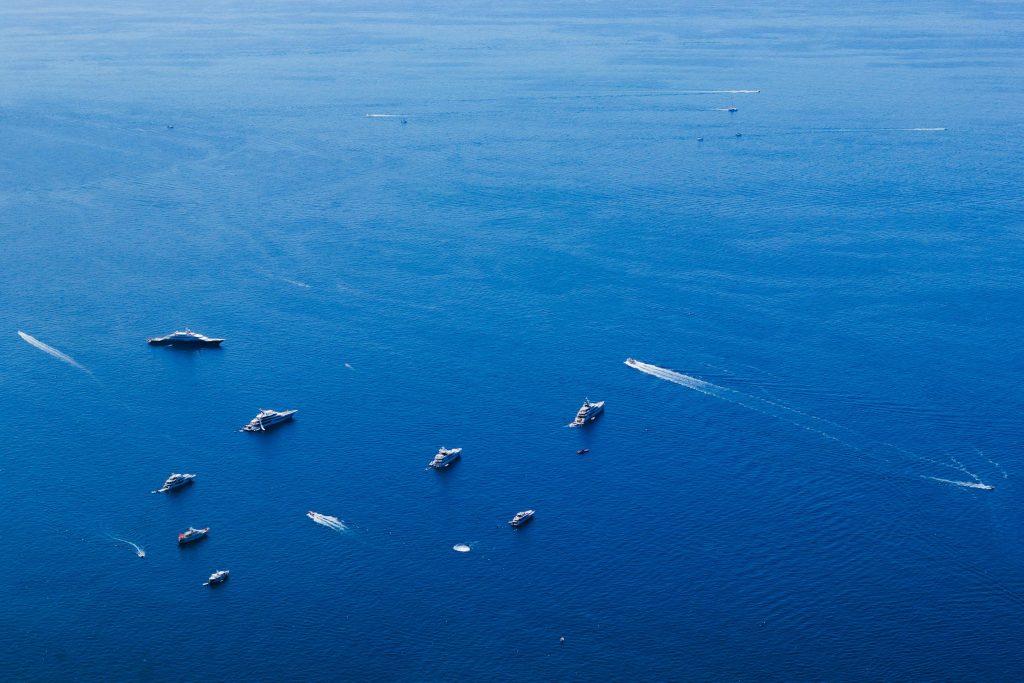
Today, we commemorate an important date in the history of maritime protection and the global economy. In 1958, the Convention of the International Maritime Organization (IMO), a specialized agency of the United Nations, came into force. Since then, the IMO has played a crucial role in raising awareness about the often-overlooked issues related to the sea and its associated activities.
Did you know that nearly 80% of global trade is conducted by sea? Without maritime transport, the global economy would come to a standstill. However, as vital as this industry is, it faces significant challenges that must be addressed to protect our marine environment and ensure the sustainability of our planet.
The Environmental Impact of Maritime Transport
One of the most pressing issues is the carbon dioxide (CO2) emissions from shipping, which currently account for 4-5% of global emissions. As global trade continues to grow, this figure could rise, making it imperative to develop and adopt cleaner technologies and practices in the shipping industry.
Even more alarming are the oil spills that can occur during maritime transport. These disasters have catastrophic effects on marine ecosystems, leading to long-term environmental damage. The IMO has been at the forefront of establishing regulations and standards to minimize the risk of such incidents, but the threat remains a significant concern.
The Ballast Water Problem
Another critical issue is ballast water management. Large ships use ballast water to stabilize their cargo, but in doing so, they inadvertently transport non-native species, including viruses and bacteria, from one port to another. This can disrupt local marine ecosystems, introducing invasive species that threaten the biodiversity and health of local waters.
The IMO has introduced the Ballast Water Management Convention, which sets standards to prevent the spread of harmful aquatic organisms, but compliance and enforcement are continuous challenges.
A Call to Action
It is indispensable that we all become more aware of these issues and support initiatives aimed at protecting our seas. From encouraging for stricter environmental regulations to promoting sustainable practices in shipping, every effort counts in safeguarding the future of our planet.
The IMO’s work over the past decades has been fundamental in addressing these challenges, but there is still much to be done. By raising awareness and taking action, we can ensure that our seas remain healthy for generations to come.
Let’s use this day as a reminder of our shared responsibility to protect the world’s oceans and the life they sustain.